list of cruciferous vegetables pdf
Cruciferous Vegetables: A Comprehensive Guide (PDF Focus)
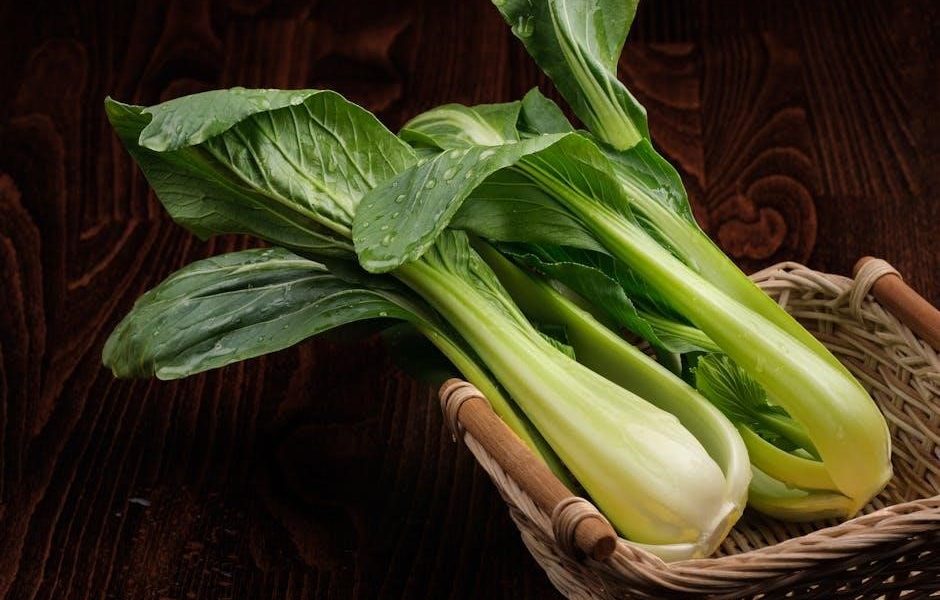
Cruciferous vegetables, detailed in available PDFs, encompass broccoli, cauliflower, kale, cabbage, radish, Brussels sprouts, and Chinese cabbage—vital for a nutritious diet.
Cruciferous vegetables, a diverse group extensively documented in readily available PDF resources, represent a cornerstone of healthy eating. These nutritional powerhouses – including broccoli, cauliflower, cabbage, kale, Brussels sprouts, radish, and Chinese cabbage (Bok Choy) – are celebrated for their unique health-promoting properties.
PDFs highlight their rich vitamin and mineral content, notably Vitamin C, Vitamin A, and folate. They are also excellent sources of calcium, magnesium, potassium, and iron. Understanding this vegetable family, as detailed in nutritional guides and research papers, is crucial for optimizing dietary intake and overall well-being. Their versatility in culinary applications further enhances their appeal.
What Defines a Cruciferous Vegetable?
Cruciferous vegetables, listed in numerous PDFs, are characterized by belonging to the Brassicaceae family, possessing a distinct pungent aroma and flavor profile.
The Brassicaceae Family
Cruciferous vegetables are scientifically classified within the Brassicaceae family, formerly known as Cruciferae, a diverse group of plants. PDFs detailing this family highlight its global distribution and economic importance. Key genera include Brassica, encompassing cabbage, kale, and broccoli, alongside Raphanus (radishes) and Armoracia (horseradish).
This family is recognized by its four-petaled flowers, often resembling a cross – hence the name “cruciferous” derived from the Latin “cruciferae” meaning “cross-bearing”. Numerous PDFs emphasize the shared biochemical pathways within the Brassicaceae family, leading to similar nutritional profiles and health benefits across its members. Understanding this familial connection is crucial for dietary planning.
Key Nutritional Components
Cruciferous vegetables, as detailed in numerous PDFs, are nutritional powerhouses. They are rich in vitamins, notably Vitamin C, Vitamin A, and folate (Vitamin B9). PDFs highlight significant mineral content, including calcium, magnesium, potassium, and iron, contributing to overall health.
Furthermore, these vegetables contain glucosinolates, sulfur-containing compounds broken down during chewing and digestion into biologically active compounds like isothiocyanates. These compounds, extensively researched in PDFs, are linked to various health benefits. Fiber content is also substantial, aiding digestion and promoting gut health, as outlined in nutritional guides available in PDF format.
Health Benefits of Cruciferous Vegetables
PDF resources indicate these vegetables offer cancer prevention, detoxification support, and cardiovascular health benefits due to their unique nutritional profile.
Cancer Prevention Properties
Cruciferous vegetables, as highlighted in numerous PDF documents and research papers, demonstrate significant cancer prevention properties. These benefits stem from compounds like glucosinolates, which are broken down during digestion into biologically active compounds—isothiocyanates and indoles.
These compounds have shown the ability to neutralize carcinogens, protect cells from DNA damage, and even induce cancer cell death. Specifically, studies referenced in available PDFs suggest a correlation between regular consumption of vegetables like broccoli, kale, and cabbage, and a reduced risk of cancers including colon, lung, and breast cancer. Further research, detailed in academic PDFs, continues to explore these protective mechanisms.
Detoxification Support
Cruciferous vegetables, extensively documented in available PDF resources, play a crucial role in supporting the body’s natural detoxification processes. They achieve this primarily through the activation of liver enzymes responsible for eliminating toxins.
Specifically, compounds like sulforaphane, abundant in broccoli and kale (as detailed in nutritional PDFs), enhance Phase II detoxification pathways, aiding in the removal of harmful substances. This process helps neutralize free radicals and supports overall cellular health. Consuming these vegetables, as outlined in dietary PDF guides, can optimize the body’s ability to process and eliminate waste products effectively.
Cardiovascular Health
Cruciferous vegetables, as detailed in numerous PDF nutritional guides, contribute significantly to cardiovascular health. Their rich fiber content, highlighted in dietary PDFs, aids in lowering LDL (“bad”) cholesterol levels, reducing the risk of heart disease.
Furthermore, compounds like glucosinolates, prevalent in vegetables like cabbage and Brussels sprouts (documented in research PDFs), possess anti-inflammatory properties, protecting blood vessels from damage. Potassium, abundant in these vegetables, helps regulate blood pressure. Regularly incorporating these foods, as suggested by health PDFs, supports a healthy circulatory system and reduces cardiovascular risk factors.
Popular Cruciferous Vegetables
PDF resources showcase broccoli, cauliflower, kale, cabbage, and radish as frequently consumed cruciferous vegetables, offering diverse flavors and nutritional benefits for all.
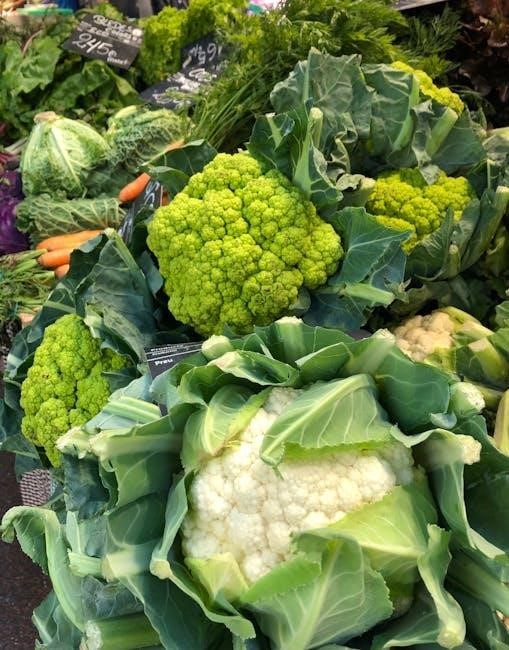
Broccoli: Nutritional Powerhouse
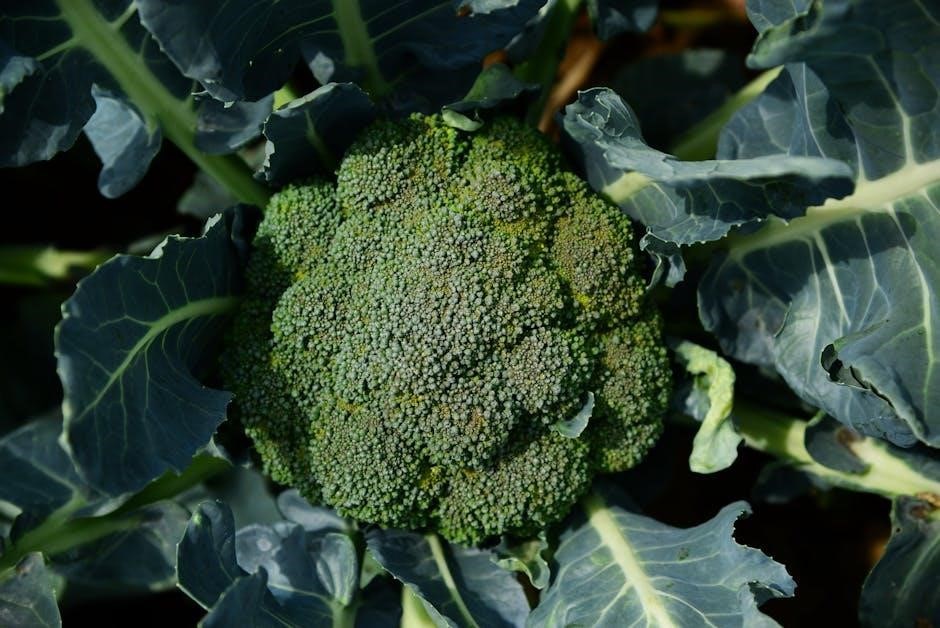
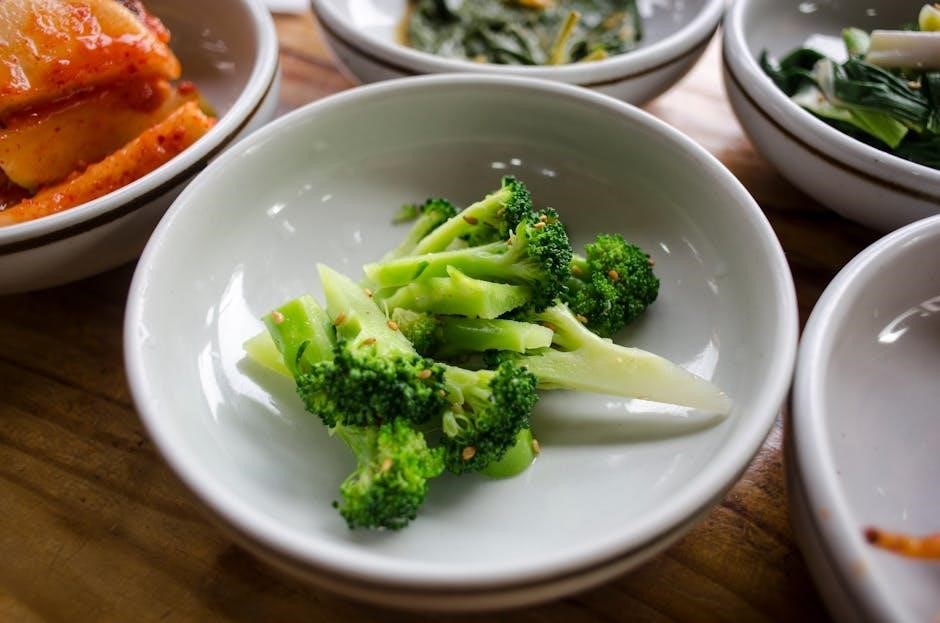
Broccoli, frequently highlighted in PDF guides on cruciferous vegetables, stands out as a true nutritional powerhouse. These documents detail its impressive profile, boasting substantial fiber, Vitamin C, Vitamin A, and Vitamin B-9 (folic acid).
Furthermore, broccoli provides essential minerals like magnesium and potassium; PDFs emphasize its role in Dr. Greger’s Daily Dozen, advocating for daily consumption. Whether enjoyed raw, steamed, or cooked, broccoli’s versatility makes it a cornerstone of a healthy diet. Its inclusion in various recipes, as shown in nutritional education PDFs, underscores its importance.
Cauliflower: Versatile and Nutritious
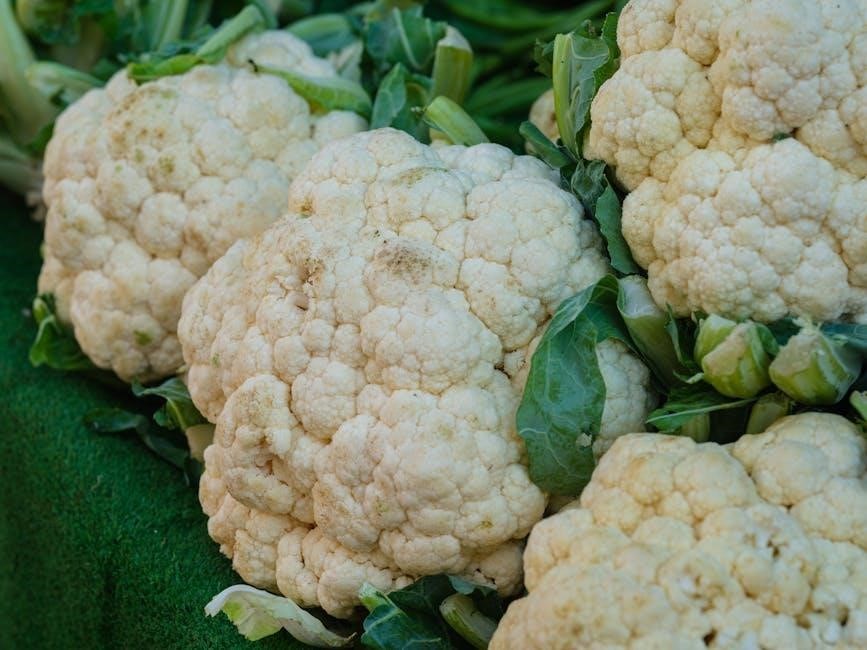
Cauliflower, frequently detailed in PDF resources about cruciferous vegetables, is celebrated for its remarkable versatility and nutritional benefits. These guides showcase its low-calorie profile alongside significant fiber content, and essential vitamins like C and A.
PDFs also highlight its contribution of Vitamin B-9 (folic acid) and minerals. Cauliflower’s adaptability—enjoyed raw in salads, steamed, or even processed into alternatives—makes it a dietary staple. Nutritional value charts within these PDFs demonstrate its contribution to a balanced diet, aligning with plans like Dr. Greger’s Daily Dozen.
Cabbage: Varieties and Uses
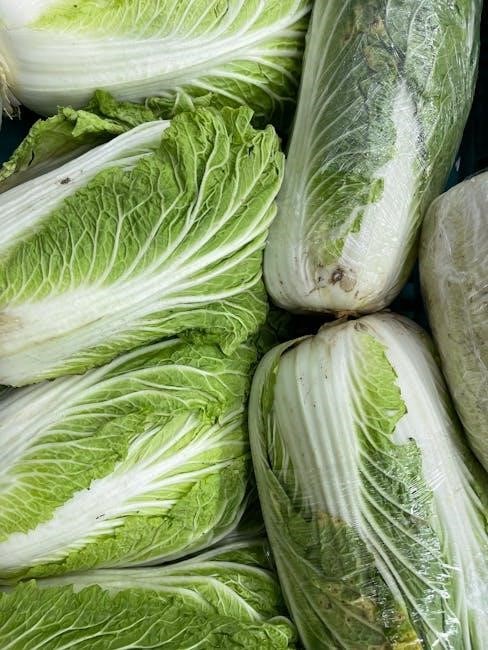
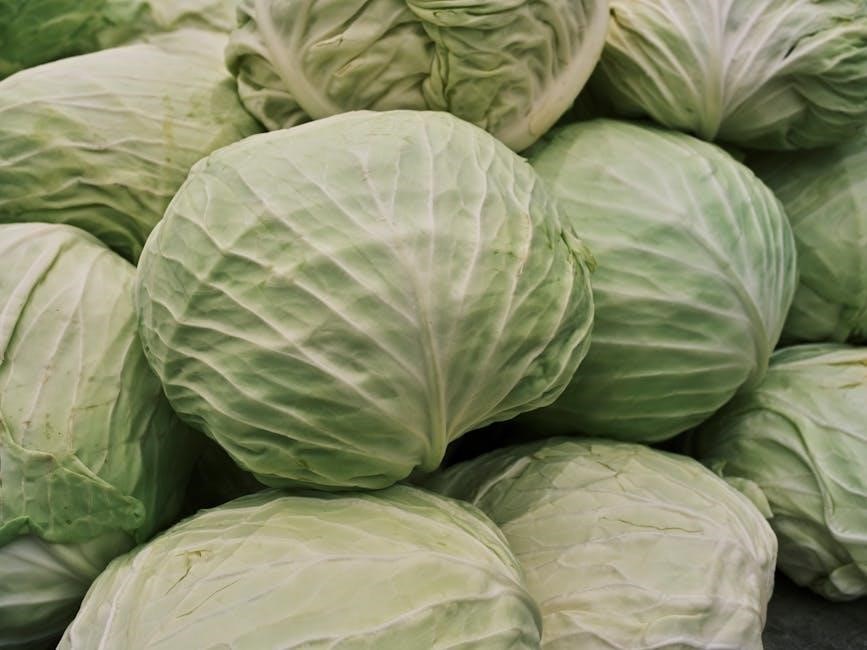
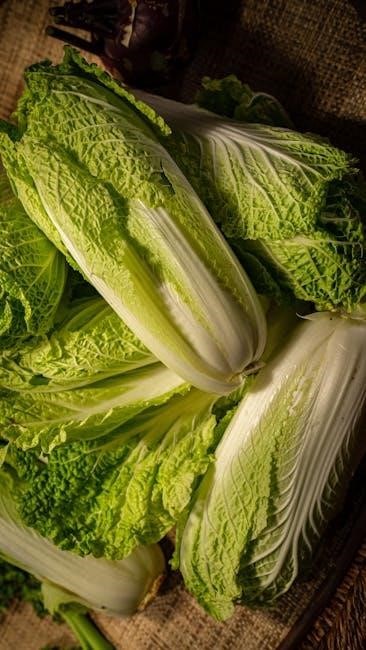
Cabbage, extensively documented in PDF guides on cruciferous vegetables, presents a diverse range of varieties—from green and red to Savoy and Chinese (Bok Choy). These resources detail its widespread culinary applications, enjoyed fresh in salads, fermented into sauerkraut, or cooked in numerous dishes.
PDFs emphasize cabbage’s nutritional profile, rich in Vitamin C, fiber, and minerals like calcium and potassium. They showcase its role in traditional diets, like Southern cuisine with collard greens, and its inclusion in daily nutrition plans. These documents highlight cabbage’s versatility and health benefits.
Kale: The Superfood
Kale, frequently featured in PDF resources detailing cruciferous vegetables, earns its “superfood” title due to its exceptional nutrient density. These documents highlight its high calcium content (232mg/100g), alongside Vitamins A, C, and B9 (folic acid). PDFs showcase kale’s versatility – enjoyed raw in salads, blended into smoothies, or baked into chips.
Information within these guides emphasizes kale’s inclusion in Dr. Greger’s Daily Dozen, a plant-based nutrition plan. They detail its antioxidant properties and contribution to overall health. PDFs demonstrate kale’s importance in a balanced diet, promoting detoxification and supporting cardiovascular well-being.
Brussels Sprouts: Often Underrated
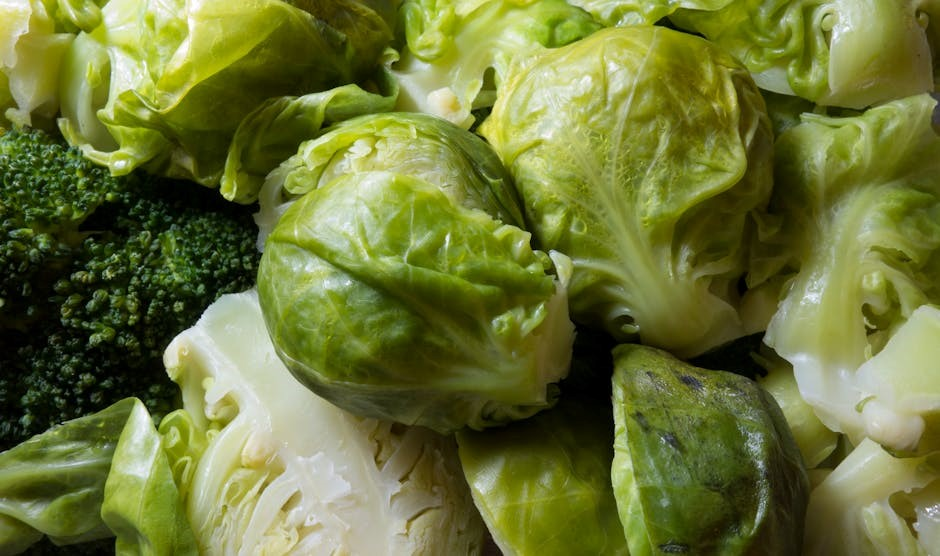
Brussels sprouts, often detailed within PDF guides on cruciferous vegetables, are frequently underestimated despite their significant nutritional benefits. These resources showcase their fiber content, Vitamin C, and Vitamin B-9 (folic acid) contributions. PDFs highlight their role in supporting detoxification processes within the body.
Information within these documents emphasizes that Brussels sprouts, like other cruciferous veggies, are a component of Dr. Greger’s Daily Dozen. They are often presented as versatile – roasted, steamed, or shredded into salads. PDFs demonstrate their potential for improving cardiovascular health and offering cancer prevention properties.
Radish: A Peppery Addition
Radish, frequently listed in PDF resources detailing cruciferous vegetables, offers a distinctive peppery flavor and a satisfying crunch. These guides emphasize its inclusion as part of a balanced diet, alongside broccoli and cabbage. PDFs often highlight radishes as a source of calcium, magnesium, and potassium, contributing to overall wellness.
Documents showcase radishes as a versatile ingredient, enjoyed raw in salads or pickled for preservation. They are noted for their relatively low calorie count and fiber content. Information within these PDFs suggests radishes support Dr. Greger’s Daily Dozen, promoting daily vegetable intake.
Collard Greens: Southern Staple
Collard greens, prominently featured in PDF guides on cruciferous vegetables, are a traditional Southern dish and nutritional powerhouse. These resources detail their high calcium content – 232mg per 100g – alongside significant levels of magnesium and potassium. PDFs emphasize their role in supporting cardiovascular health and detoxification processes.
Documents often showcase collard greens as a versatile vegetable, typically braised or steamed. They align with Dr. Greger’s Daily Dozen recommendations for daily cruciferous vegetable consumption. Information within these PDFs highlights their contribution to a balanced diet, alongside kale and Chinese cabbage.
Arugula: Peppery and Flavorful
Arugula, frequently listed in PDF resources detailing cruciferous vegetables, offers a distinctive peppery flavor and impressive nutritional profile. These documents highlight its calcium content, reaching 160mg per 100g, alongside valuable phosphorus, magnesium, and potassium. PDFs emphasize arugula’s contribution to overall wellness through its vitamin and mineral composition.
Information within these guides often positions arugula as a fresh addition to salads or a flavorful topping. It aligns with dietary recommendations, like Dr. Greger’s Daily Dozen, promoting daily cruciferous vegetable intake. PDFs showcase its versatility and ease of incorporation into various meals.
Chinese Cabbage (Bok Choy): Mild and Versatile
Chinese cabbage (Bok Choy), consistently featured in PDF guides on cruciferous vegetables, is praised for its mild flavor and culinary adaptability. These resources detail its calcium content, approximately 105mg per 100g, alongside essential minerals like phosphorus, magnesium, and potassium. PDFs emphasize Bok Choy’s role in a balanced diet, rich in vitamins and nutrients.
Documents often showcase its use in stir-fries, soups, and steamed dishes. It aligns with nutritional plans, such as Dr. Greger’s Daily Dozen, advocating daily cruciferous vegetable consumption. PDFs highlight its versatility and ease of integration into diverse cuisines.
Nutritional Values of Common Cruciferous Vegetables (Per 100g)
PDF resources detail values: fiber, Vitamin C, Vitamin A, B-9 (folic acid), Omega 3, magnesium, and potassium—varying across cruciferous types.
Vitamin C Content
Cruciferous vegetables are notably rich in Vitamin C, a crucial antioxidant supporting immune function and collagen synthesis. PDF documents highlight significant variations in Vitamin C levels among different varieties. For instance, kale boasts 120mg/100g, while collards provide 232mg/100g, and arugula contains 160mg/100g. Chinese cabbage offers a respectable 105mg/100g.
These values, detailed in nutritional analyses available as PDFs, demonstrate the substantial contribution these vegetables make to daily Vitamin C intake. Consistent consumption supports overall health, aiding in protection against oxidative stress and bolstering the body’s natural defenses;
Vitamin A & B9 (Folic Acid)
Cruciferous vegetables are excellent sources of both Vitamin A and B9 (folic acid), as detailed in various nutritional PDF resources. Vitamin A, crucial for vision and immune function, is present in varying amounts; kale and collard greens are particularly rich. Folic acid, vital for cell growth and development, is abundant across the family.
PDF analyses show that these vegetables contribute significantly to meeting daily requirements for both nutrients. Adequate intake supports healthy growth, particularly during pregnancy, and may reduce the risk of certain chronic diseases. Consistent consumption, guided by PDF nutritional guides, is highly beneficial.
Mineral Content: Calcium, Magnesium, Potassium, Iron
Cruciferous vegetables, as outlined in nutritional PDF documents, are rich in essential minerals. Calcium, vital for bone health, is notably high in kale, collards, and Chinese cabbage. Magnesium supports muscle and nerve function, while potassium aids in maintaining healthy blood pressure—both are plentiful.
PDF data reveals these vegetables also provide significant iron, crucial for oxygen transport. While absorption can be enhanced with Vitamin C, consistent intake contributes to overall mineral balance. Utilizing PDF guides for portion sizes ensures optimal intake of these vital nutrients for overall well-being.
Cruciferous Vegetables in Dietary Plans
PDF resources, like Dr. Greger’s Daily Dozen, emphasize daily intake of cruciferous vegetables—broccoli, kale, cabbage—for optimal health benefits and nutrition.
Dr. Greger’s Daily Dozen
Dr. Greger’s Daily Dozen, often detailed in downloadable PDF guides, champions a plant-based dietary approach. A cornerstone of this plan is the inclusion of at least one serving of cruciferous vegetables daily.
These vegetables—broccoli, cauliflower, kale, Brussels sprouts, cabbage, collard greens, arugula, and bok choy—are highlighted for their potent nutritional profiles and disease-fighting compounds. PDF resources accompanying the Daily Dozen often provide specific serving size recommendations and preparation tips. The emphasis is on variety, ensuring a broad spectrum of nutrients.
Following this guideline, as outlined in available PDF materials, supports optimal health and disease prevention, making cruciferous vegetables a non-negotiable component of a healthy lifestyle;
Incorporating Cruciferous Vegetables Daily
Successfully integrating cruciferous vegetables into your daily diet, as detailed in numerous PDF guides, is surprisingly achievable. Simple strategies include adding kale or arugula to smoothies, incorporating shredded cabbage into salads, or roasting broccoli and Brussels sprouts as a side dish.
PDF resources often suggest steaming or lightly sautéing these vegetables to preserve their nutritional value. Utilizing diverse varieties – from cauliflower rice to collard green wraps – prevents palate fatigue. Regularly consulting PDF meal plans can offer inspiration and structure.
Prioritizing these nutrient-rich foods, guided by PDF recommendations, significantly boosts overall health and well-being.
Potential Concerns & Considerations
PDF documents highlight potential concerns like goitrogens affecting thyroid function and digestive discomfort; moderation and proper preparation are key for all.
Thyroid Function & Goitrogens
Cruciferous vegetables, as detailed in various PDF resources, contain goitrogens – naturally occurring compounds that can interfere with thyroid hormone production. These substances may block iodine uptake, potentially leading to hypothyroidism, especially in individuals with pre-existing thyroid conditions or iodine deficiency.
However, the impact is often minimal with a balanced diet and adequate iodine intake. Cooking methods like steaming or boiling can significantly reduce goitrogenic activity. Individuals with thyroid concerns should consult healthcare professionals regarding appropriate consumption levels, as outlined in nutritional PDF guides.
Digestive Issues
Cruciferous vegetables, as highlighted in nutritional PDF documents, are high in fiber and contain raffinose, a complex carbohydrate. This can lead to increased gas production and bloating in some individuals, particularly those not accustomed to a high-fiber diet. Proper preparation, like thorough cooking, can help mitigate these effects.
Gradually increasing intake allows the digestive system to adapt. Individuals with conditions like IBS or SIBO may experience more pronounced symptoms and should consult a healthcare professional or refer to specialized PDF guides for tailored dietary advice.
Resources & Further Information (PDF Links)
PDF resources detail TuMV strains and vegetable utilization, offering insights into cruciferous vegetable nutrition and educational materials for informed dietary choices.
Research Papers on TuMV Strains
Detailed studies, accessible via PDF format, investigate Turnip Mosaic Virus (TuMV) strains impacting cruciferous vegetables across China’s ten provinces. A 1990 Chinese Science Bulletin article (V. 35, N 20, P. 1734-1739) presents findings on differentiating these strains.
These papers are crucial for understanding viral diversity within crops like broccoli, cabbage, and kale. Research focuses on how TuMV affects yield and quality, informing strategies for disease management in cruciferous vegetable production. Accessing these PDF documents provides valuable insights for agricultural scientists and growers seeking to protect their crops.
Vegetable Utilization & Nutrition Education (PDF)
Educational resources, available as PDF documents, highlight the nutritional benefits of cruciferous vegetables – broccoli, kale, cabbage, and cauliflower – emphasizing their role in preventative health. These materials detail how to effectively utilize these vegetables, offering insights into preparation methods like steaming and incorporating them into salads.
Further PDFs explore the nutritional aspects of buckwheat foods alongside cruciferous options, promoting balanced diets. These resources aim to increase vegetable consumption, detailing vitamin and mineral content, and supporting Dr. Greger’s Daily Dozen recommendations for optimal health.
Leave a Reply
You must be logged in to post a comment.